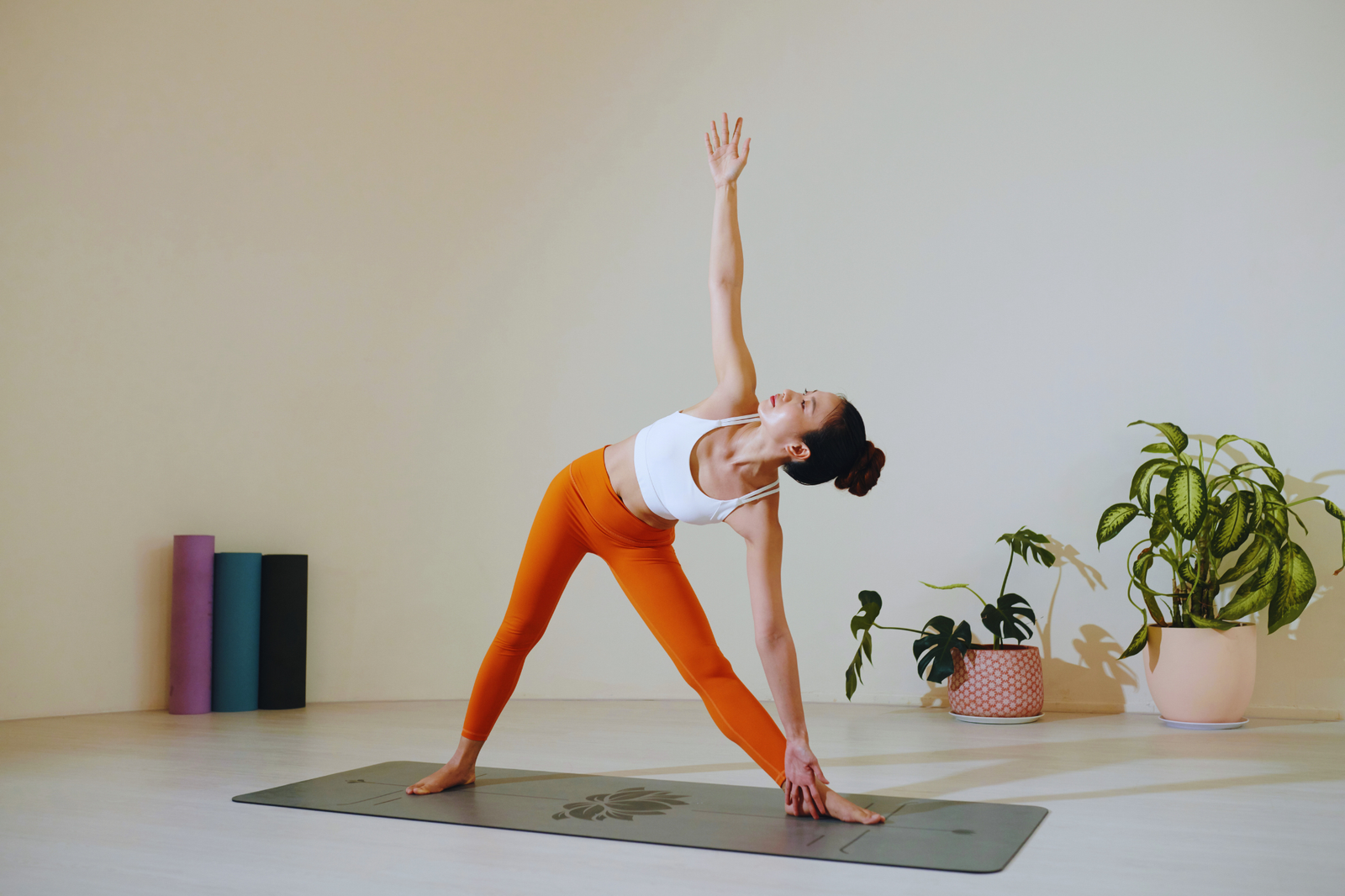
Yoga is often seen as flexibility, beautiful postures, or physical fitness. But at its core, yoga is about awareness, balance, and intelligent movement. This is where alignment-based yoga becomes essential.
Alignment is not about forcing the body into a “perfect-looking” posture. It is about placing the body in a way that respects your structure, your breath, and your current capacity.
Many injuries in yoga happen not because yoga is unsafe, but because alignment is ignored in favor of depth or speed. When alignment is correct, even advanced asanas become accessible, stable, and deeply nourishing.
What Is Alignment in Yoga?
Alignment refers to how bones, joints, muscles, and breath work together in a posture. Proper alignment:
Distributes effort evenly
Protects joints and ligaments
Builds strength alongside flexibility
Creates stability before depth
At The Blue City Yogi Institute, alignment is taught using anatomy awareness and conscious breath, not rigid rules.
Why Alignment Matters More Than Flexibility
Flexibility without alignment often leads to:
Alignment allows the body to open gradually and safely, ensuring long-term progress rather than short-term gains.
Alignment Builds Strength and Confidence
When students practice with alignment:
Fear reduces
Balance improves
Breath flows naturally
Mind becomes calmer
This is why even beginners can access advanced practices when guided correctly.
Yoga as a Sustainable Practice
Yoga is meant to support you for life. Alignment-based practice ensures that your yoga grows with you, not against you.
At The Blue City Yogi Institute, alignment is not a technique — it is a philosophy of respect for the body.